Share
by anna jane begley
For Parvez Qadir, storytelling has always been about more than entertainment. The Rochdale-born actor first made his name on screen with roles in television dramas including Coronation Street and Cops, but acting was never simply about landing the next role. Frustrated by the limited and often stereotypical parts offered to British Muslim actors, Qadir chose to step away from the spotlight and turn his attention to teaching, directing and creating work that reflects real communities and experiences.
That decision led to the creation of Breaking Barriers, the creative production company he founded in 2018. Since then, the organisation has developed films, theatre productions and educational projects tackling issues such as child criminal exploitation, consent and violence against women and girls. Working alongside schools, local authorities and community groups, Breaking Barriers has reached thousands of young people while providing opportunities for emerging creatives across Rochdale.
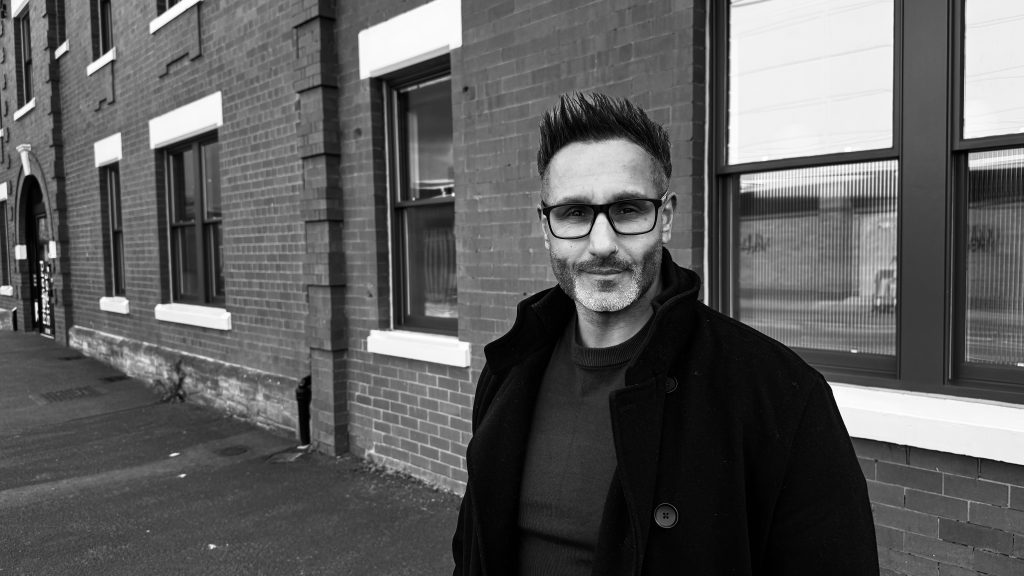
Despite ongoing challenges facing the arts sector, Qadir remains optimistic about its power to inspire, educate and create social change. Whether discussing the importance of regional creativity beyond Manchester, championing working-class talent or reflecting on his own journey into acting, he speaks with warmth, humility and an unwavering commitment to making the industry more inclusive.
Qadir reflects on the auditions that launched his acting career, why he chose to forge a different path behind the camera, and how he hopes Breaking Barriers will continue to grow, while staying rooted in the Rochdale community that first shaped his imagination.
When did you first get into acting and the arts?
I used to like Bollywood films and westerns. My mum said during the summer holidays when I was about 10 or 11, you must go out and play with your friends. But I just wanted to watch films. I fell in love with that magic, I guess. At a very early age, we were given a projector, it was very basic, but I remember thinking, wow, I’m seeing Marvel film clips in my bedroom. Then at primary school, a theatre education group came to our school, and the hallway at one point was transformed into a huge, life-size ship. I remember that being quite a magical moment.
None of my family came from [an arts] background, but being South Asian, they’re very animated in storytelling. My dad came from a kind of very traditional sort of Pakistani background, my dad worked in a factory six days a week. My mum often sewed at home. So they were a very hard-working first-generation who just wanted to give the best for their kids, and they didn’t know much about the creative sector or know about those careers.
But it came to a point when you’re 15 or 16, and making that choice, what you’re going to do at college. I think I said [I was going to study] media just to make it less that it’s acting. At that time, there weren’t many people who represented or looked like me on the TV screen. So I didn’t know if it was the career [for me]. I just knew it was something I wanted to have a go at, before everyone would say is that a proper job. So I was lucky enough to do a college course on media performance, which I really loved. I did that, and then I went on to do a degree at Salford University. Then I applied for a local theatre company to get an acting job, and I was really fortunate, and that’s how I got my agent and acted in those different mediums, like TV, film, radio and theatre.
Were your parents worried about your chosen career path?
They were always concerned, and I think it’s from a good place. Sometimes you’re not working. Sometimes you’re waiting by the phone for the agent to call you. I would go down to London for a five-minute interview and then travel back up because there was an audition. So I totally understood a lot of it felt like jumping out of a plane without a parachute sometimes, you’re not sure if the parachute is going to open. I was really fortunate that I got a couple of TV jobs and theatre jobs that lasted four or five months.
Even though my family were always worried, they didn’t deter me from it. I know that wasn’t the case with lots of other peers, actors who I met, particularly often South Asian females and if they came from a Muslim background.
You’ve been in TV shows such as Cops and Coronation Street. How difficult were the audition processes and what advice would you give to aspiring actors now?
I think it has changed. I remember when I first started out, you usually get the script sent to you, and a lot of it is just making sure you prep. You would hear really contradictory advice. And ultimately, I had to be authentic. I think because I knew my family supported me in doing what I did, I never took it lightly, so I always wanted to be 110 percent professional. It’s those little things that they don’t teach you on a degree – being polite, turning up on time, learning your lines.
But audition processes for different things can last [a long time]. Some auditions for a particular job will be seven or eight times – Cops was about seven or eight times, and there were long periods of improvisation. Each session, you’d be paired up with lots of actors because they wanted to get the ensemble of police officers correct. Coronation Street was a one-off audition, and it was a semi-regular part. So you never know. And sometimes something can be quite small, but they will really make you work hard for it.
So any advice I would give is you’ve really got to pursue it. You know that there’s going to be a huge amount of rejection. Unfortunately, I think since Covid, it’s become harder and it’s more difficult. A lot of it’s being there at the right place at the right time.
You’ve also been directing, teaching and writing a lot of short films. What’s it like now being behind the camera?
I fell out of [acting] only because the roles that were coming in were often very stereotyped, sometimes really quite lazy in the depiction of the character, or they would ask you to do an accent, so it was all the things that went against what I think was a well-rounded character. I think sometimes it was written by people not from my cultural experience, or they saw it as exotica, and that’s why I felt like I can’t protect those parts, because I feel terribly embarrassed. My agent was really super supportive, knowing that the reasons why [I didn’t want to take them was] because I felt like they just reinforced really negative stereotypes, particularly for British Muslims.
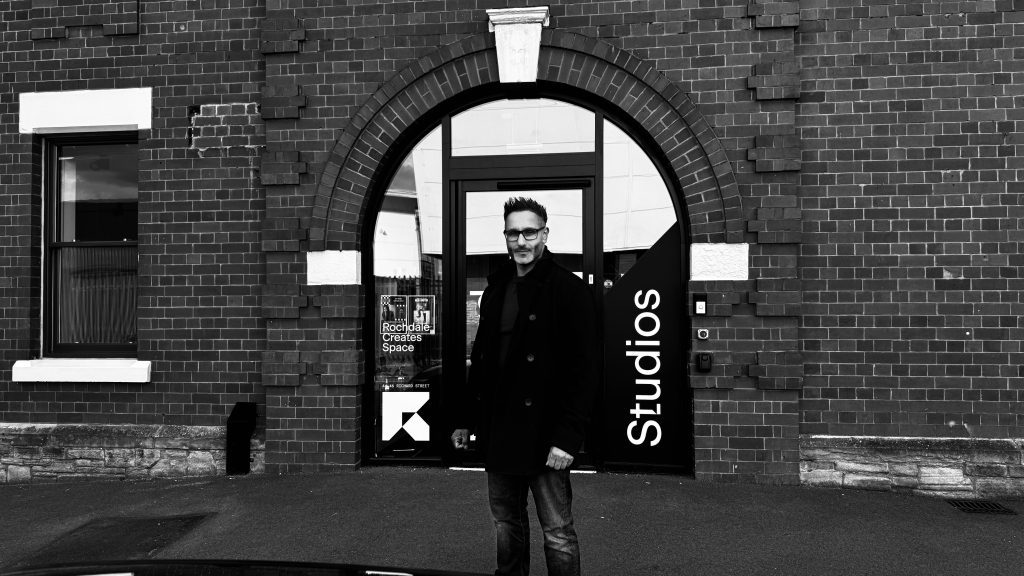
So I went into teaching. I went back to my old college and taught there for a while, and then I moved into working for some local theatres as an artist, as I was missing that creativity. So I was developing lots of projects with communities, with young people. Then in 2018 those contracts ran out, and that’s when I decided to set up my own production company in my hometown called Breaking Barriers, utilising all those skills, from TV, film and theatre. I wanted to use those skills and create something in Rochdale, but ultimately find a safe platform for the next, up-and-coming, creative, particularly working-class majority. I wanted to create a space to develop young people, but also to play and explore. And they might not want to pursue [acting], but they might get involved behind the scenes, or they want to become filmmakers.
So I love this new iteration, this new chapter, because ultimately there’s not enough people that look or sound like me in the decision making. I knew that could only happen if I set up my own production company.
We’re really lucky that we make films that really tackle hard societal issues. We’ve done a whole range of films around consent with Georgia Harrison from Love Island. Some of the short films have been shown in festivals in front of 70,000 people. And then we create theatre pieces.
We’ve got two touring bits of monologues. We’ve just been touring across Yorkshire. And then we are going to be touring a new monologue called Blindside, which deals with violence against women and girls, and that’s going to primary and secondary schools, because we know early intervention is so important.
How do you select which topics to tackle?
When I did Crossing the Line, I was commissioned through the local authority to make a film around child gang exploitation. So I did a short film, and that was with a school.
And on the back of that, it was used all across Greater Manchester as a resource because I did so much research with the local police and social workers who work with either people who have been groomed into it or people who have been actively dealing drugs and grooming young people. I felt like I had such a huge amount of knowledge about it that it led me to write a monologue. And off the back of that, other people say, look, we saw that piece. We would love [to create something similar on], for example, knife crime, because they’ve seen the work that we’ve done, they’d like to come to us. So we’re really lucky and fortunate people come to us. Sometimes we do come up with ideas ourselves. We bring in experts to support.
Ultimately, we just want young people to make healthy choices. Using creativity to make those powerful messages, it’s another way to engage young children in those really difficult subject matters and conversations around it.
We’re speaking at a time where funding for the arts is being constantly cut. Universities are cutting art subjects because they’re not profitable enough. If you had half an hour with the Prime Minister, how would you convince them to invest more in the arts?
I think it offered me social mobility. And then there’s the ripple effect that it’s had, with Breaking Barriers. I’ve been lucky enough to commission over 50 freelancers and work with over like 15,000 young people. So it’s such a powerful commodity.
I think it’s been a while since it’s been valued, and it’s a huge economic import to industry and finance. People do enjoy watching, whether it’s streaming or going to the cinema or getting involved in our culture in many different ways. And I think for every young person, particularly those areas where they don’t get a lot of art and culture, [the arts is where] people find their voice, they think I can get involved in that, and I don’t have to sound in a particular way or look a particular way. It should be embedded, not cut down, because I think it’s an addition to how young people can learn.
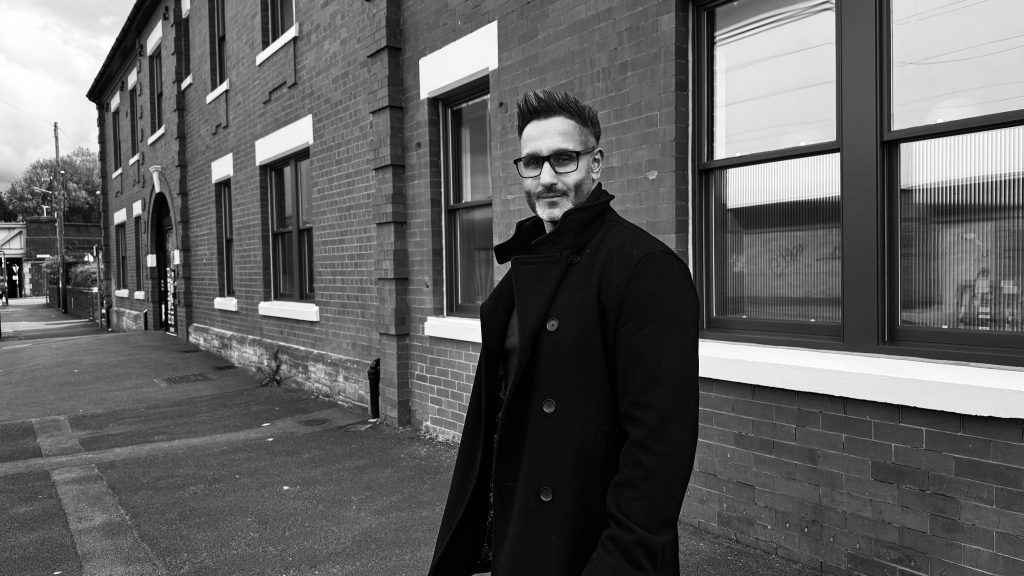
When people talk about arts, many think about the West End, London theatres and universities. But the north of England has always been a creative hub. How would you describe the arts scene in Manchester or Rochdale?
I think it’s so nuanced, because Rochdale is one of those satellite towns on the periphery of Greater Manchester. From our perspective, we sometimes feel like a lot of the cultural funding goes to Manchester. A lot of it feels Manchester-centric, and it’s about how we share that equity and agency around the other areas where it’s so important. So I’m all about our culture being spread, not just being in Manchester.
I’m more interested in the fringe theater, or that art where you’re not going to experience what the norm is. It’s more exciting because sometimes they have to work with very little funds, but they’re being really innovative and really creative and often used in their landscapes. Not everything’s inside, not everything is defined by a normal theater space.
Has there been a particular creative who has inspired you?
I’m looking at lots of things, not anyone in particular, because my taste is so eclectic. But we work with lots of interesting writers and spoken word artists. There’s somebody called Kate Ireland, who’s a spoken word artist, who’s just doing amazing things. There’s somebody called Afreena Islam who comes from a Muslim background, but she does pub quizzes, and I find her really fascinating, how she takes a pub quiz culture, and sometimes she’s dressed in authentic Asian cultural customer dress. I love how she’s redefining that space. I also love Martin Scorsese, I love those big American films because I’m a kid at heart.
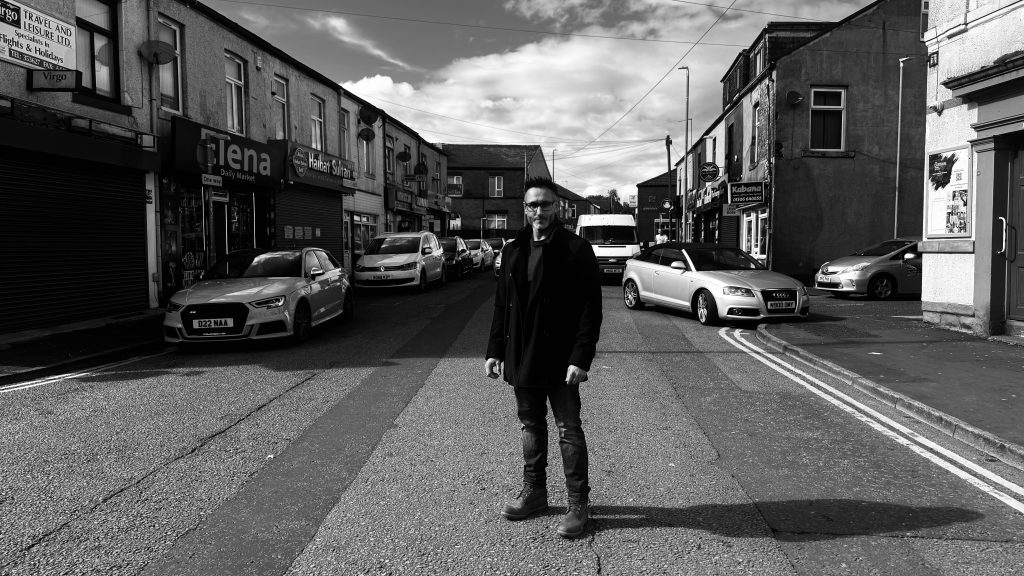
What’s next for Breaking Barriers?
I think it’s to grow the organisation – at the moment we’re a company of three working with over 50 freelancers. We’d like to go for an NPO (National Portfolio Organisation), Art Council’s funding programme, we’d love to become part of that, it would really be amazing. We want to explore more outdoors, more around water and wooded areas, but ultimately create amazing films and develop the next set of creatives who might become a filmmaker, might become an actor, might become a production manager. We might expand internationally as well as nationally, we’re currently talking to a German collective. I want to push Breaking Barriers as far as we can. It starts in Rochdale – that’s where the heart of the organisation lies – but it has connecting roots nationally and internationally. There’s ambition and passion for spreading the organisation as far out as we can.
pictures by /ash